This interview brings together three voices from the Sunresin team: Simona Serban, Caroline Tinsley, and Alessandra Basso.
Simona reflects on perseverance, mentorship, and breaking systemic barriers in pharma. Caroline shares her perspective on confidence, career growth, and representation in science. Alessandra discusses leadership, resilience, and ensuring women’s voices are heard and respected across the industry. Together, their perspectives highlight the value of representation, support networks, and the everyday actions that help women grow, lead, and remain in the pharmaceutical sector.
 SIMONA SERBAN
Q. What career path led you to this prestigious role at …Sunresin…?
A. Immediately after completing the PhD, I joined first the medical device industry then the chromatography resins manufacturing industry. Throughout the different stages of my carrier from Project leader to Manager and now Director, my interest and passion were to support the customers in having the best experience in using the products we manufactured. Building bridges with the users, understanding their needs and trying to deliver the best, remains key objective for me.
Q. What has been your greatest accomplishment?
Completing my PhD thesis was one of my greatest professional accomplishments. With my personal background, having the resources to complete a PhD was highly unlikely, but it all became possible due to my academic results, my drive and by having the right mentors.
Q. Have you observed or experienced any barriers to gaining opportunities that support career progression in the pharmaceutical field? (For example, how individuals are selected for involvement in international activities, team leader, committees, etc.).
A. Yes, I have observed barriers that can impact career progression in the pharmaceutical or any field for that matter.
One example would be related to disparities in mentorship and sponsorship which can pose significant barriers. Individuals who lack access to mentors or sponsors who actively advocate for their advancement may find it much more challenging to navigate the landscape of opportunities, leading to stagnation in their career progression.
Q. How prevalent have outdated stereotypes or judgements been in your time in science? Have comments about women being unsuited to scientific disciplines and/or motherhood as a career barrier reduced or increased or has there generally been no change?
A. Luckily, personally I don’t feel I have been subjected to such situations during my time in science and I would say that in general, the comments about women being unsuited to scientific disciplines are less loudly heard nowadays. However, it doesn’t mean they don’t exist in the subconscious of many of us and don’t influence the progression of young capable women especially if it is perceived they are considering motherhood. Occasionally, women themselves build mental barriers which must be addressed early on through education and role models.
Q. Do you think as a female in science you receive enough credit for your work? Have there been times where you were led to believe your contribution was not enough or was inferior? How much of that do you think was down to your gender?
A. Yes, there were times when I was led to believe that my contribution was not enough, but I don’t believe that was down to my gender. As hard as it may seem, candid and constructive criticism should be appreciated and acted upon since it contributes to improvement in performance. That’s not to say that gender discrimination doesn’t happen and it shouldn’t be called out; it’s just that I feel I was treated mostly with fairness throughout my carrier.
Q. In your opinion, what can we do to increase female participation in the pharmaceutical/biotech field?
A. Fostering an inclusive culture where all employees feel empowered to pursue growth opportunities is beneficial for all and very enriching for the organization. However, an early education to senior leadership focused on breaking down systemic, cultural and structural barriers can be very effective in increasing female participation.
Additionally, if each one of us could take a little time to mentor, sponsor, inspire and influence girls and young women, we would help shifting the paradigm from simply hiring more women in STEM to ensuring they are empowered to thrive, lead, and stay in the industry.
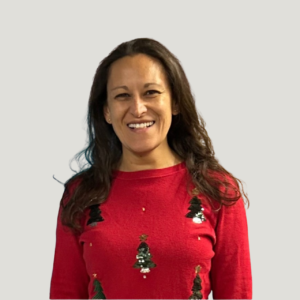 CAROLINE TINSLEY
Q. To what do you attribute the growth and increased focus on STEM?
A. I think the growing focus on STEM comes from a combination of real-world need and greater awareness of the role science plays in solving some of our most urgent challenges, from climate change to medical breakthroughs. Science and technology are central to healthcare and everyday life, and there is a stronger understanding that progress depends on bringing in a wider range of perspectives. There has also been more effort to make STEM feel accessible, particularly for girls and young people, helping them see it as something they can genuinely belong to rather than something intimidating or exclusive.
Q. How important is networking among women in the pharmaceutical industry, both for career advancement and for discussing shared challenges?
A. Networking among women in the biotech and pharmaceutical sector is incredibly important, particularly given the ongoing underrepresentation of women in senior leadership and many scientific roles. Recognising these gaps helps keep the conversation active and supports meaningful progress.
For many people, especially those in start-ups or smaller organisations, it can be difficult to find mentors or opportunities to connect with peers. Having spaces where women can share experiences openly and learn from one another makes a real difference. These connections build confidence, provide reassurance, and foster a sense of belonging, especially when navigating challenges that are not always easy to discuss in more formal settings
Q. How important is it to educate and mentor emerging female leaders in the industry?
A. It is very important. Mentorship and education help bridge the gap between potential and opportunity, especially in an industry where women are still underrepresented in leadership roles. Mentorship provides the visibility, support, and confidence needed to stay and thrive in what has traditionally been a male-dominated industry. Having access to guidance, encouragement, and honest conversations can make a real difference in how confident someone feels about taking the next step in their career. Mentors also help normalise challenges and setbacks, reminding emerging leaders that self-doubt is common and not a sign of inability. When women are supported early and consistently, they are more likely to stay, grow, and lead, helping to create a more inclusive and sustainable future for everyone.
Q. Does your place of work put emphasis on diversity and inclusion and promote women in leadership?
A. My organisation is international, which brings a broad range of diverse perspectives and experiences. Women are visible in senior leadership roles, including the company president, and my direct manager is also a woman. Seeing women in these positions is meaningful and helps normalise female leadership. This kind of representation plays an important role as the industry continues to evolve and work toward more inclusive leadership.
Q. How important is it for young scientists to observe women as mentors, speakers, and leaders in their field?
It is so important. Seeing women in leadership, mentoring roles, and as experts provides the “proof of possibility” that helps young scientists imagine themselves in those positions. Representation builds confidence, reinforces a sense of belonging, and shows that leadership is attainable. Women in leadership and as speakers remind young scientists that talent and brilliance aren’t defined by gender. Even small moments, like hearing a woman share her experiences or advice, can have a lasting impact. These role models provide more than guidance, they offer a roadmap for navigating the industry and show that a young scientist’s voice doesn’t just belong in the lab, but it belongs at the head of the table.
Q. Have you felt a sense of camaraderie with female colleagues, and have there been times when that support was lacking?
My experience has varied, partly because I haven’t always worked in environments with many women, which itself highlights one of the challenges within the industry. Where I have worked closely with female colleagues, there has been a strong sense of mutual respect and support built through shared professional experiences. Limited representation can make it harder for those connections to form naturally. This highlights the importance of creating wider networks and communities beyond individual workplaces, so women at all stages of their careers can share experiences and support one another beyond their immediate workplace
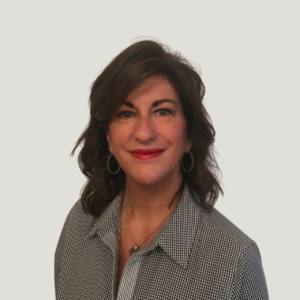 ALESSANDRA BASSO
Q. Have you faced any obstacles within the pharmaceutical industry related to being a woman?
A. Over my 25 years in the industry, I have witnessed both progress and challenges. At times, I experienced situations where men in the audience did not take me seriously or questioned my authority, sometimes overlooking the role I held in front of them. To navigate this, I learned the importance of consistency, professionalism, and credibility. As women, we often need to ensure we give no reason for others to doubt us, and this can require an effort that is sometimes greater than what is expected of men.
Q. What types of skills do women in the pharmaceutical industry need to develop or improve upon?
A. Self-confidence is essential, especially for women in leadership roles. This does not mean being arrogant or overly assertive but being prepared and ready when facing meetings and decisions. In many cases, women need to be even more prepared than men to ensure they are listened to in a respectful and constructive way.
Q. Have your choices of academic institutions, organisations or companies ever been influenced by gender balance or equality initiatives?
I have been fortunate to work in the same industrial sector throughout my career, and I often followed opportunities as they arose. During my journey, I consciously ensured I worked closely within environments led by men, making sure my voice was heard and that men showed respect for my perspective. There were moments when I was among very few women in leadership positions, which shaped my awareness of balance and representation.
Q. Has having men as allies been relevant in advancing your career?
The number of women in leadership positions has increased over the years, and I have seen this change during my career. For a long time, however, there were very few female role models. I was fortunate to meet men who acted as strong mentors, helping me grow professionally and ensuring I was heard within a male dominated environment. Their support played an important role in my development.
Q. Do you feel the gender pay gap is prevalent in pharmaceuticals? What could be done to address it?
A. Gender pay disparity remains a significant issue across many industries, including pharmaceuticals. In my own leadership roles, I ensure equal opportunities in growth and compensation regardless of gender. When hiring, it is important to recognize experience, education, and team fit, and ensure pay aligns with expectations and contribution, whether for women or men. As one of my mentors once told me: “Ale, your salary should be the last problem in your daily work.”
Q. Who inspired you early in your career, and what advice would you give to young women today?
A. My career began when I started my master’s thesis in a laboratory led by Prof. Lucia Gardossi, a young and inspiring scientist returning from MIT. She opened the door to an international environment that broadened my perspective and created opportunities I had never imagined. At the time, my English was limited and my exposure to global science was minimal. My advice to young women is to take opportunities when they arise. Even when they feel challenging, embrace them. Growth often begins outside your comfort zone, and building confidence alongside men and women across the field is part of shaping your own path.