
 As the industry emerges from a prolonged funding slowdown, the roundtable highlights cautious optimism. Rather than a broad-based recovery, participants describe a selective, research-driven uptick focused on clinic-ready assets and higher-complexity modalities. Discussions have shifted from speculative experimentation to practical considerations, including manufacturability, timeline efficiency and the ability to scale reliably. This suggests growth that is deliberate, technology selective and weighted toward assets with clearer commercial pathways.
A second key theme is the growing influence of geopolitics on strategic decision-making. Regionalization, “China+1” approaches and dual sourcing are increasingly being built into programs from the outset. These strategies are often balanced against cost considerations to support long-term value and operational resilience. At the same time, buyer expectations are evolving: resilience is now expected, cost must be justified, and innovation, particularly in oligonucleotides, antibody-drug conjugates, peptides, complex biologics and enabling technologies that support faster timelines is emerging as a key differentiator.
Finally, contributors highlight two common misconceptions: that contract development and manufacturing organizations (CDMOs) are interchangeable and that technology transfer is straightforward. Participants emphasize that outcomes may vary significantly depending on capabilities and collaboration models. They suggest that companies may benefit from engaging manufacturing partners early, prioritizing technical expertise over nominal capacity, and aligning sourcing strategies with both development stage and long-term supply considerations.
Company: Symeres
 Author: Philip Payne, Chief Commercial Officer
How would you describe the mood of the outsourcing market right now – stabilising, cautious, or entering a new growth cycle?
There’s a quiet optimism as funding appears to be returning to the discovery and IND-stage market. If this momentum continues through the year, we could be moving into a new growth cycle. That said, the prolonged funding drought means there will inevitably be a lag before new projects enter the clinic.
To what extent are geopolitical pressures reshaping sourcing decisions, particularly around regionalisation and dual sourcing?
Recent US legislation has elevated these conversations to board level. Companies are now carefully weighing the balance between risk mitigation and the cost efficiencies available in certain regions, with sourcing decisions increasingly viewed through the lens of downstream company valuation and cash flow impact.
Are customers prioritizing cost control over resilience and innovation, or are you seeing a more balanced approach emerge?
Cost control and cash flow management were critical for biotech survival in 2025. Where it was once standard practice to advance both a lead compound and a backup candidate simultaneously, many companies found themselves having to focus exclusively on their frontrunner to hit key milestones – with the backup candidate, often the one with the stronger profile, placed on hold.
Where do you see the most meaningful growth opportunities in the next 12–18 months – geographically or technologically?
Timeline compression will always be a priority for biotech. Any technology that meaningfully shortens development timelines and reduces program risk represents a great growth opportunity, and this is where we expect to see the most significant investment and innovation over the coming 18 months.
What is the biggest misconception pharma companies currently have about the CDMO/API supply environment?
Pharma/Biotech companies continue to treat CDMOs and API suppliers as commoditized, easily replaceable vendors. Those that approach CDMOs as strategic manufacturing partners early in the product lifecycle are far better positioned to secure capacity and maintain supply continuity. They should be asking “Who can reliably manufacture our product at scale – and will prioritize us when capacity is constrained?”
Company: Codexis
 Author: Pierre Barratt, VP, Technical Client Services
How would you describe the mood of the outsourcing market right now – stabilising, cautious, or entering a new growth cycle?
Off the back of JPM 2026, the word on the proverbial street seems like the market is moving back into a new growth cycle. There is a positive sentiment but this time it is measured.
The client conversations that I’m in almost every day are fewer speculative proof of concepts and more conversations that assume the oligonucleotide asset has the opportunity to be [DC1] [BP2] manufactured at large scale. Funding is there, but drug innovators are performing thorough due diligence about where they place work and who they partner with. That’s especially true for anything innovative or capital-intensive. Early-stage demand is still developing[DC3] [BP4] , but the tone has shifted from “wait and see” to “let’s get ready when we succeed.”
The other difference versus the past is that customers are engaging earlier on manufacturing scale questions at the proof-of-concept stage. There’s more realism around timelines, capacity, and what it takes to manufacture a medicine, “if you can’t manufacture a medicine, you don’t have a medicine”.
So yes, growth is coming but it is well researched and technology selective.
To what extent are geopolitical pressures reshaping sourcing decisions, particularly around regionalization and dual sourcing?
Geopolitics has gone from being a background risk to something that actively shapes how programs are designed from day one. This isn’t merely a planning scenario exercise anymore. The BIOSECURE Act, tariff uncertainty and government supported onshoring manufacturing initiatives and broader trade tensions have made it clear that cost alone can’t be the deciding factor especially for late-stage or commercial assets. Though the sentiment is still that “all roads lead to China”, even these manufacturers are increasingly investing in US and EU supply strategies to please their customers.
What’s changed most is behavior around new programs. Existing products tend to stay where they are because tech transfer is painful and cost prohibitive. But for anything new, sponsors are building regionalization and dual sourcing strategies into the plan upfront. Dual sourcing is no longer a “nice to have.” For critical APIs, intermediates and critical raw materials, it’s quickly becoming standard so some innovators are increasing their internal manufacturing capabilities to retain process know-how while maintaining their CDMO network for larger commercial scales.
That doesn’t mean companies are abandoning China immediately. What it does mean is that they’re far more deliberate about exposure and redundancy once the asset is commercialized. We’re seeing “China plus one” evolve into something more robust, where the second source is real, validated, and ready to invoke, not just a strategic white paper that’s filed away. Raw material quality and cost from China is difficult to surpass with conventional manufacturing strategies.
Ultimately, sourcing decisions are both strategic and procurement driven.
Are customers prioritising cost control over resilience and innovation, or are you seeing a more balanced approach emerge?
It’s a little more nuanced than prioritizing one over the other. Resilience is expected but savvy customers are willing to sacrifice the short-term cost for innovation in R&D to realize savings and achieve supply chain resilience over the lifetime of the asset. The difference is that companies are thinking in terms of total risk and total cost, not just unit price. For example, the API remains the largest cost contributor per unit price in an oligo pre-filled syringe.
Sponsors still care deeply about cost, it’s the first and last question they ask! Especially given pricing pressure, but they’ve also learned that long manufacturing slot lead times can delay a program and cause headaches.
At the same time, innovation matters more than it used to. For complex modalities, customers aren’t just buying a manufacturing slot; they’re looking for partners who can help make a process scalable, more robust, or more manufacturable. That’s driving deeper relationships and longer-term commitments, rather than one-off projects.
To summarize, it’s more complex than cost versus resilience. It’s more that resilience is at table stakes and cost must be defensible, and innovation is increasingly what separates a preferred partner from an interchangeable one.
Where do you see the most meaningful growth opportunities in the next 12–18 months – geographically or technologically?
The clearest growth is where complexity meets scarcity. Technologically, peptides, oligonucleotides, and ADCs stand out. Demand is real, sustained, and in many cases still outpacing manufacturing capacity.
Geographically, we’re seeing a divergence. High value, complex biologics are increasingly being anchored in the U.S. and Europe, where proximity, regulatory alignment, and supply security matter more than absolute cost. That’s especially true as customers think about commercial launch risk.
What’s important is that growth isn’t evenly distributed. It’s accruing to CDMOs that combine real technical depth with the “right” geography. Having one without the other is increasingly not enough.
What is the biggest misconception pharma companies currently have about the CDMO/API supply environment?
The biggest misconception is that technology transfer is straightforward. There’s still a lingering belief that if a process works in one lab, it can be quickly and cleanly dropped into another facility. In reality, tech transfer is where a lot of programs get exposed. Having the scientists who designed the process and scale-down models perform an on-site transfer is key, along with detailed technical development reports and tech transfer documentation.
“Lab ready is not plant ready” sounds obvious, but it’s routinely underestimated. Scale changes behavior, subtle equipment differences, heat transfer, purity profiles, raw material impurities, time for in-process control feedback loops, and those issues don’t show up until you’re under real manufacturing conditions. Ensuring a successful transfer takes the right process development expertise through design space understanding.
The second misconception is around capacity. On paper, there’s plenty of capacity being built. In practice, accessible, geopolitically acceptable, and technically appropriate capacity is much tighter, especially for anything complex with a view to on-shore manufacturing. That gap is driving creative approaches to address the shortfall.
Finally, companies often underestimate the existing inherent process knowledge within their current CDMO beyond the technical reports and batch records, no matter how painful it was to get there. Moving to a new preferred CDMO should be carefully planned so that you can easily dual source API suppliers late in development; this is one of the most expensive assumptions in this space in-order to mitigate risk and cut costs.
Company: Ecolab Life Sciences
 Author: Meeta Gulyani, GM, Bioprocessing & Head of Life Science Strategy, Ecolab Life Sciences
How would you describe the mood of the outsourcing market right now: stabilizing, cautious, or entering a new growth cycle?
The outsourcing market is moving back into growth mode as key players’ pipelines and innovation rebound and outsourcing demand rises. At the same time, geopolitical uncertainty, especially across regional manufacturing networks, is keeping decisions cautious, so momentum is real, but the tone is measured.
To what extent are geopolitical pressures reshaping sourcing decisions, particularly around regionalisation and dual sourcing?
Geopolitical pressures are an important backdrop to sourcing decisions, especially in bioprocessing. While cost and efficiency still matter, there is greater focus on managing risk, which is accelerating thoughtful conversations around regionalisation and dual sourcing as practical ways to ensure continuity and resilience for critical resin supply.
Are customers prioritising cost control over resilience and innovation, or are you seeing a more balanced approach emerge?
Customers continue to lead with innovation, while also focusing on cost control to help them deliver more affordable, accessible medicines. As suppliers, we’re focused on enabling both with a more advanced and flexible resin toolbox that helps customers improve efficiency and manage costs without compromising long-term competitiveness.
Where do you see the most meaningful growth opportunities in the next 12–18 months – geographically or technologically?
The most meaningful growth opportunities are technological. Pipelines are growing, particularly with more complex molecules, and innovation continues to concentrate around established modalities like mAbs. At the same time, the patent cliff and continued biosimilar growth are expanding access to medicines, creating demand for efficient, scalable bioprocessing solutions.
Company: Chrysalis
 Author: Nick Mazzucca, SVP, Business Development
How would you describe the mood of the outsourcing market right now – stabilising, cautious, or entering a new growth cycle?
The market is evolving. Biopharma innovators are expanding their definition of what outsourcing can mean. CDMOs remain essential for some therapeutic modalities, but we’re seeing growing interest in models that offer cleanroom infrastructure without requiring companies to hand over process control.
The shift is most visible in early-stage development. Companies are asking: “Can our existing cash runway support tech transfer delays to our CDMO, or, do we need full-scale GMP infrastructure while we generate first in human data?” These questions are exactly why we built Chrysalis. We’re seeing significant interest from companies that want the infrastructure without the loss of control.
I’d describe the mood as selectively innovative. Companies are matching their manufacturing strategy to their stage of development rather than defaulting to a single approach for all phases.
To what extent are geopolitical pressures reshaping sourcing decisions, particularly around regionalisation and dual sourcing?
Regionalization is creating real opportunity, particularly in the U.S. The push to manufacture closer to R&D hubs is benefiting markets like the Boston biotech corridor and North Carolina’s Research Triangle. We positioned Chrysalis facilities in Burlington and Waltham, Massachusetts, and Raleigh, North Carolina specifically for this reason. Companies want proximity to their science and the right talent.
For early- and mid-stage companies, the priority is speed and access more than geopolitical hedging. The question is whether they can get into GMP-compliant space within weeks, not months or even years.
The geographic shift is happening, but it’s driven by operational needs as much as supply chain concerns. Companies want manufacturing close to where innovation is happening.
Are customers prioritising cost control over resilience and innovation, or are you seeing a more balanced approach emerge?
The calculus has matured. Companies are looking at total cost, not just upfront price. That includes the cost of delays, the cost of process changes, and the cost of misalignment between development and manufacturing capabilities and infrastructure.
The companies getting this right are asking: “What does resilience mean at our stage?” For early-phase programs, resilience often means the ability to iterate quickly and maintain process control. For commercial manufacturing, it means something different entirely.
We’re seeing a more sophisticated approach. Companies are matching their manufacturing strategy to their development stage rather than applying a one-size-fits-all model. Cost still matters, but it’s balanced against speed, control, and the ability to respond to what they learn in the clinic.
Where do you see the most meaningful growth opportunities in the next 12–18 months – geographically or technologically?
Geographically, growth is concentrated in U.S. biopharma hubs, particularly Boston and the Research Triangle. Companies want to manufacture where the science is happening and where the talent is.
Technologically, the opportunity is in advanced therapies. Cell and gene therapy, personalized medicine, and mRNA platforms require process flexibility and specialized infrastructure. These modalities don’t fit neatly into traditional manufacturing models. At Chrysalis, we’re seeing strong demand from companies working on these next-generation therapies because they need facilities and infrastructure that can adapt to their process, not the other way around.
The biggest growth opportunity is at the intersection of these two trends: providing advanced therapy manufacturing infrastructure in established biopharma hubs. Companies need GMP-ready cleanroom space that can accommodate novel processes without requiring massive capital investment or lengthy tech transfer times.
What is the biggest misconception pharma companies currently have about the CDMO/API supply environment?
The biggest misconception is that there are only two paths: build your own facility or partner with a CDMO. Both are excellent options for the right situation, but they’re not the only options.
CDMOs are essential for some therapeutic modalities and for companies that want to focus exclusively on drug development. Building your own facility makes sense when you have the capital, the time, and the long-term pipeline demand to justify it.
But for early-stage companies, particularly those working on novel modalities where the process is still evolving, there’s a middle path. Chrysalis provides GMP-compliant infrastructure and GxP services where companies maintain control over their process and operate on their timeline without the capital commitment of building or the technology transfer required by traditional CDMO outsourcing.
The market is recognizing that manufacturing strategy should match the development stage. The companies that understand this are moving faster because they’re choosing the right model for where they are, not defaulting to a binary choice.
Company: Arcinova, a Quotient Sciences company
 Author: Christian Dowdeswell, Managing Director
How would you describe the mood of the outsourcing market right now – stabilising, cautious, or entering a new growth cycle?
When we look at some of the key indicators, the mood has been cautiously optimistic, in terms of the funding outlook for BioPharma. Certainly, if one looks at the XBI (S&P Biotech) there has been a dramatic change. The XBI has been underperforming against the SPY since January 2022, however, as of October 2025 the XBI returned to overperformance & continues to outstrip the SPY significantly. This doesn’t immediately translate into business growth for CRDMO, as there is a lag between investment & spend, but is an indicator that funding pressure is easing. It is also clear that investment continues to be driven by data which tends to favour assets that have at least advanced into the clinic. Geopolitical events continue to have a destabilising effect on confidence, recent events in the middle east being a good example of how quickly investor confidence can change.
To what extent are geopolitical pressures reshaping sourcing decisions, particularly around regionalisation and dual sourcing?
This is a long-running topic that doesn’t have a single answer. Fundamentally there have been concerns over outsourcing to certain regions of the world over data security, data integrity, quality and over-reliance on supply chains from some territories specifically for much of my career.
The BioSecure Act that was finally passed at the end of 2025 no longer named specific companies and thus far hasn’t been so impactful as originally may have been expected. Different customers make different decisions as to how they respond to these factors and, indeed, a single company may make different decisions on separate drugs.
For companies like Arcinova, it has always been critical that we lead with value, that we demonstrate how working with us provides stronger value than working with providers who simply have a lower cost base. Arcinova has been able to work creatively with partners to develop alternative strategies and circumvent reliance on single supply chains. Overall, it does feel that more decisions are made to move away from simple cost-based decisions, particularly when investment in pharma is increasingly driven by data and Arcinova, like other service providers, has had to develop its offering to respond to that.
Are customers prioritising cost control over resilience and innovation, or are you seeing a more balanced approach emerge?
It is almost always a balance, but evident that a CRDMO needs to understand very clearly what is important to every individual customer for each individual program – it is futile to focus on cost-driven measures where a customer is looking for innovation and quality.
We have to recognise that each drug substance has unique properties associated with molecular structure and material characteristics, and a bespoke approach will always benefit our clients in translating the molecule from discovery to clinical trials.
As well as providing technical guidance, it is equally important that we recognise the business objectives of our clients. A good example of this was a discussion I had with a customer where using a low-cost supplier for an early intermediate wasn’t compatible with a desire to have a fully localised supply chain. Security of supply is often much more important to an innovator than the marginal cost saving on an early intermediate for an API.
Where do you see the most meaningful growth opportunities in the next 12–18 months – geographically or technologically?
I am naturally biased towards small molecules – the fact that they are typically delivered orally is an inherent advantage over more complex therapeutics that are intravenously. Whilst the initial drugs targeting obesity have been peptides, the number of companies investigating oral candidates for obesity has grown significantly.
The large market & hence higher potential return attracts investors. So I do expect to see significant growth in our small molecules driven business, not only driven by this but other therapy areas where oral delivery is a patient preference. Arcinova is active in more complex therapeutics, expanding our RNA services in GMP manufacturing & supply in 2026 & we do expect this to be a growth area – but our growth in the next 18 months is much more aligned to small molecules.
What is the biggest misconception pharma companies currently have about the CDMO/API supply environment?
Most Pharma companies come to a CRDMO with what is essentially a solution rather than a problem statement. Perhaps to clarify, they will translate what is needed into a set of tasks that they ask the CRDMO to accomplish.
What I repeatedly find, is that having a discussion on what the Pharma company is actually trying to achieve leads to stronger solutions. One of the best bits of feedback I ever had was that we had “delivered a solution that I couldn’t have imagined to a problem I didn’t know I had”.
Few Pharma companies have pipelines that come anywhere close to the number of programs that a CRDMO delivers in a single year, not tapping into that expertise is a missed opportunity.
Company: Symbiosis
 Author: Joanne Anderson, Chief Commercial Officer
How would you describe the mood of the outsourcing market right now – stabilising, cautious, or entering a new growth cycle?
Cautious, but tilting into a selective new growth cycle.
Biotech funding is still bumpy where some small/mid biotechs are delaying programs, and price pressure on CDMOs remains high. High‑value modalities (biologics, ADCs, cell/gene, HPAPIs) and complex small molecules continue to drive above‑market growth, even as routine generics and commoditised APIs stay under margin pressure. The overall mood seems to be “cautious optimism”: no broad boom, but a clear growth cycle in specialised, higher‑complexity segments.
To what extent are geopolitical pressures reshaping sourcing decisions, particularly around regionalisation and dual sourcing?
Geopolitics was once a footnote for outsourcing teams and now it’s become now a board‑level driver. With concerns around tariff uncertainty, US‑China tensions, export controls, and supply chain fragility, many pharma companies are seeking to reduce single‑country dependence, especially for patient critical medicines. At the commercial stage dual or multi‑sourcing is increasingly written into RFPs and tech‑transfer plans, especially for critical APIs and injectables. It’s becoming a design principle rather than a contingency plan. For clinical stage assets additional considerations such as trial location, regulatory pathways and licensing strategies can mean more regionally influenced decisions are made when outsourcing.
Are customers prioritising cost control over resilience and innovation, or are you seeing a more balanced approach emerge?
The approaches we see are definitely more balanced, though with a very ROI‑driven underpinning: resilience is non‑negotiable, cost is heavily negotiated, and innovation must prove its value quickly. Customers want cost efficiency, but not at the expense of reliability. The winners will be those who deliver both.
Where do you see the most meaningful growth opportunities in the next 12–18 months – geographically or technologically?
Geographically there will continue to be some reshoring/near‑shoring, especially for small‑molecule APIs, sterile injectables, and controlled substances where regulators and politicians care about local capacity. Technologically complex small molecules and HPAPIs: Oncology, CNS, and other high‑potency areas continue to drive demand for specialised containment and problem solving know-how with a proven track record. Biologics and advanced modalities: mAbs, ADCs, peptides, oligos, and viral vectors remain high‑growth, with strong demand for those having an established fill‑finish track record.
What is the biggest misconception pharma companies currently have about the CDMO/API supply environment?
The most damaging misconception is that capacity, capability, and geography are easily interchangeable and always available at the right price. With some proponents still touting “There’s plenty of high‑quality capacity everywhere.” However in reality specialised areas (HPAPIs, sterile fill‑finish, advanced modalities), genuinely top‑tier, inspection‑ready capacity are still constrained and often booked years ahead. Those with deep experience in the sector understand that outsourcing is no longer a simple lever you can pull late in the game, it’s a structural, strategic choice that needs to be designed into the asset and portfolio from the start.
Samsung Biologics
Authors: Kevin Sharp, Executive Vice President and Head of Sales and Operations; Ryan Lee, Senior Director of Sales and Operations and Samsung Biologics
How would you describe the mood of the outsourcing market right now – stabilising, cautious, or entering a new growth cycle?
The outsourcing market appears to be entering a broadly stabilising phase, although the mood varies across different segments.
In mammalian cell-based biologics, the development of structurally more complex modalities – such as multispecific antibodies and bioconjugate products is increasing. As a result, biopharmaceutical developers are placing greater emphasis on working with CDMOs that possess strong analytical capabilities and deep manufacturing expertise.
Accordingly, the criteria for CDMO selection have become more demanding than in the past. Rather than focusing primarily on scale or capacity, developers are also evaluating partners based on quality, execution capability, technical problem-solving, and a deep understanding of process development and manufacturing. This shift is encouraging more capability-driven, sustainable growth in this segment rather than indiscriminate expansion. In contrast, parts of the cell and gene therapy space remain more cautious, as lower facility utilization and pipeline volatility continue to influence market dynamics.
Overall, while the outsourcing market is still growing, the emphasis today appears to be less on rapid capacity expansion and more on strengthening technical capabilities while aligning growth strategies with underlying market demand.
To what extent are geopolitical pressures reshaping sourcing decisions, particularly around regionalisation and dual sourcing?
Geopolitical pressures are reshaping our clients’ sourcing strategy, and the recent U.S. tariff escalation is a prime example. Additional duties on key material shipments from China and other regions have driven up unit costs and created price volatility, forcing our clients to reconsider single source strategies. To mitigate this exposure, our clients are accelerating regionalization establishing near-, or on-shore sites in low tariff jurisdictions so that critical materials can be sourced locally or from allied markets without incurring punitive duties.
At the same time, broader geopolitical risks, including sanctions, export-control restrictions, and trade-policy swings, require our clients to adopt dual-sourcing. For each essential component they pair an existing primary supplier in a high-risk zone with a locally vetted secondary vendor. By phasing investments and leveraging flexible, pre-qualified alternatives, the clients protect continuity while avoiding heavy upfront capital commitments in a landscape where some tensions may prove short-lived.
Are customers prioritising cost control over resilience and innovation, or are you seeing a more balanced approach emerge?
Customers are increasingly juggling cost pressures with the need for resilience and innovation, but the trend is shifting toward a more balanced approach. While tight budgets still drive many organizations to prioritize immediate cost control, especially in volatile markets, recent supply-chain disruptions and competitive pressures have highlighted the risks of cutting corners on robustness and forward-looking capabilities. As a result, many leaders are allocating resources to strengthen operational resilience, such as diversifying suppliers and investing in digital twins, while also pursuing innovation that can unlock longer-term efficiencies. Thus, rather than a simple dominance of cost-first thinking, we see a growing consensus that sustainable performance hinges on integrating fiscal discipline with resilient, innovative practices. This blended mindset is becoming the new norm across most industries.
By Minjeong Seong, Director of Market Intelligence at Samsung Biologics
Where do you see the most meaningful growth opportunities in the next 12–18 months – geographically or technologically?
From a technological perspective, meaningful growth is likely to occur in the bioconjugation space, including antibody-drug conjugates (ADCs), as well as multispecific antibodies such as bispecifics. Following the clinical and commercial success of ADCs, the field is expanding to target a broader range of diseases. Conjugation strategies are also evolving beyond traditional cytotoxic payloads to incorporate modalities such as oligonucleotides and peptides, enabling more precise therapeutic approaches. At the same time, multispecific antibodies that simultaneously recognize two or more targets are gaining momentum, with the potential to improve efficacy compared with conventional single-target or combination therapies. Together, these trends suggest continued growth in both antibody-X conjugate and multispecific antibody technologies over the next 12–18 months.
Geographically, increasing onshoring efforts centered in the United States are likely to drive diversified manufacturing and more resilient pharmaceutical supply chains. As supply chains consolidate around the world’s largest pharmaceutical market, complementary opportunities may also emerge in Europe and Asia.
What is the biggest misconception pharma companies currently have about the CDMO/API supply environment?
One of the biggest misconceptions pharma companies may have about the CDMO/API supply environment is viewing CDMO “capacity” primarily in terms of physical scale. Many still assume that as long as a provider has sufficient facilities or open manufacturing slots, it can readily deliver the required production. During the COVID-19 pandemic, when genuine bottlenecks existed across global supply chains, available production slots were often seen as the key indicator of manufacturing capacity. However, that environment has largely changed.
Today, capacity should be considered in terms of “capability” rather than simply infrastructure. Successfully manufacturing a product at the required scale, timeline, and quality depends less on the number of bioreactors and more on the technical expertise needed to manage the process. As therapeutic modalities become more complex, pharma companies may benefit from partnering with CDMOs that have proven expertise in handling complex molecules rather than focusing solely on nominal capacity.
Pace Life Sciences
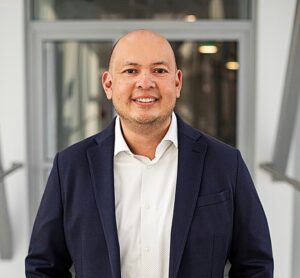 Author: Dean Bornilla, Vice President, Head of Commercial, Pace® Life Sciences
How would you describe the mood of the outsourcing market right now – stabilising, cautious, or entering a new growth cycle?
The outsourcing market currently feels like cautious stabilization, rather than a broad-based rebound. Sponsors remain disciplined with capital deployment and are scrutinizing partner selection much more closely than during the post-pandemic expansion cycle. It seems that demand is strongest where outsourcing reduces technical and regulatory risks, particularly in biologics, complex modalities, and advanced analytical testing.
From an analytical testing perspective, two structural drivers continue to support outsourcing demand. First, the science behind therapeutics is becoming increasingly complex, requiring specialized assays and deeper analytical expertise. Second, regulatory expectations around analytical method validation, lifecycle management, and impurity control continue to increase, making experienced external partners essential for maintaining development timelines and regulatory readiness
To what extent are geopolitical pressures reshaping sourcing decisions, particularly around regionalisation and dual sourcing?
Geopolitical pressures are increasingly influencing sourcing strategies, particularly for programs where supply continuity and regulatory confidence are critical. While pharmaceutical companies remain global in their operations, many are actively reducing concentration risk by adding regional redundancy and second source suppliers across development, manufacturing, and analytical services. For analytical testing, this often translate into a preference for partners with multiple global sites, strong quality systems, and the ability to support method transfer and release testing close to manufacturing locations. Recently policy discussions in the US, including the proposed BIOSECURE Act and broader national-security scrutiny of biotech supply chains, have reinforced an industry trend towards diversifying supply chains and reducing dependency on a single geography.
Are customers prioritising cost control over resilience and innovation, or are you seeing a more balanced approach emerge?
Customers are taking a more balanced approach, but with significantly greater financial discipline. Cost control remains important, particularly for emerging biotech companies managing tighter funding environments, but sponsors continue to distinguish between low-value cost savings and investments that materially reduce execution risks. In analytical testing, a lower cost option can quickly become more expensive if it leads to delayed method development, failed tech transfer, out-of-specification investigations, and/or regulatory complications. As regulatory expectations continue to rise, sponsors are often willing to invest in partners that deliver strong scientific expertise, inspection ready quality systems, and reliable timelines.
Where do you see the most meaningful growth opportunities in the next 12–18 months – geographically or technologically?
We have of course seen a real push toward building and expanding US manufacturing footprints, partly around supply chain resilience and partly around policy signals. Alongside that, demand is strongest in more complex APIs where technical capability really matters.
For us, our growth strategy has historically focused on bringing in companies with specialized expertise that meaningfully expand our capabilities and strengthen our overall portfolio. Most recently, we doubled our capacity in analytical outsourcing, which reflects the growing need for those services. And we’ll continue to make investments where we see opportunities to best support our clients and their evolving needs.
What is the biggest misconception pharma companies currently have about the CDMO/API supply environment?
One common misconception is that outsourcing remains primarily a capacity-buying exercise, and that providers are largely interchangeable if they meet the scope at the right price. In reality, the most valuable outsourcing partners differentiate themselves through problem-solving capabilities and technical expertise. Many development delays are not purely capacity issues but stem from analytical strategy, impurity management, tech transfer challenges, and regulatory documentation gaps. Experienced partners that can address these issues early in development help sponsors avoid costly delays later in the lifecycle.
Tjoapack
 Author: Erin LaMarca, Business Development Manager
How would you describe the mood of the outsourcing market right now – stabilising, cautious, or entering a new growth cycle?
The pharma outsourcing market is not experiencing explosive growth, but it is certainly not contracting either. What we are observing instead is a period of stabilization, accompanied by a more deliberate and selective approach to outsourcing decisions.
Following the significant surge in CDMO demand during the post-pandemic period, the past 18–24 months have been shaped by tighter biotech funding conditions and considerable pipeline reprioritization. As a result, many organizations paused or slowed new outsourcing commitments.
Activity is now gradually increasing again, but the decision-making process has evolved.
Programs that are late-stage, strategically significant, or approaching commercialization are continuing to advance. Earlier-stage programs, however, are progressing with greater caution and scrutiny.
This does not represent a slowdown in outsourcing activity. Rather, it reflects a more disciplined and strategically focused market environment.
To what extent are geopolitical pressures reshaping sourcing decisions, particularly around regionalisation and dual sourcing?
Another notable shift is the growing prominence of supply chain risk in outsourcing discussions.
Pharmaceutical companies are increasingly evaluating:
- Regional supply strategies for both U.S. and European markets
- Dual sourcing approaches for critical products
- Greater geographic diversification of supplier networks
This does not indicate a retreat from global supply chains.
Cost considerations, regulatory expertise, and technical capabilities remain fundamental drivers of sourcing decisions. However, risk management is now integrated into sourcing strategies from the outset, rather than addressed reactively after disruptions occur.
Are customers prioritising cost control over resilience and innovation, or are you seeing a more balanced approach emerge?
The current funding environment for biotech companies has reinforced the need for strong cost discipline.
At the same time, recent supply chain disruptions have highlighted a critical lesson for the industry: the lowest-cost option does not always provide the greatest reliability.
Today, many organizations are seeking to strike a more balanced approach, weighing:
- Cost efficiency
- Supply reliability
- Long-term scalability
As a result, outsourcing discussions are shifting from a narrow focus on price toward a broader evaluation of overall supply chain value.
Where do you see the most meaningful growth opportunities in the next 12–18 months – geographically or technologically?
Looking ahead, several segments of the outsourcing market continue to demonstrate strong momentum. Complex therapies and combination products including autoinjectors and other device-based drug delivery systems are expanding rapidly and require specialized expertise in both packaging and device integration.
In addition, we are seeing robust activity among mid-sized and emerging biotech companies preparing assets for late-stage clinical trials or initial commercial launches.
From a geographic perspective, North America and Europe remain the most active outsourcing markets, particularly for programs where regulatory expertise and commercial readiness are key priorities.
What is the biggest misconception pharma companies currently have about the CDMO/API supply environment?
One persistent misconception within the pharmaceutical industry is that CDMO capacity remains universally constrained. In reality, the situation has become more nuanced.
Over the past several years, the industry invested significantly in expanding manufacturing and packaging capacity. While certain specialized technologies remain constrained, many areas now have greater availability than during the height of the pandemic-driven demand surge.
As a result, the primary challenge today is not simply securing capacity. Instead, companies are increasingly focused on identifying partners with the appropriate expertise, flexibility, and development capabilities to support their specific programs.
At Tjoapack, we see this dynamic firsthand. More organizations are seeking partners who can provide both early-stage flexibility and the operational readiness required for commercialization – particularly for specialized packaging and complex drug-device combination products.
In many cases, the companies achieving the strongest outcomes are those that engage outsourcing partners earlier in the development process.