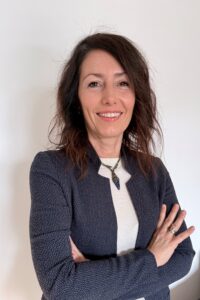
 In the latest of its series of interviews with women in science, 24/7 BIOPHARMA learned what obstacles faced Maria Teresa Ticozzelli, Quality System Team Coordinator at the HAS Group, and how she overcame them.
Have you faced any obstacles within the pharmaceutical industry that were directly related to being a woman?
At the beginning of my working career, more than 20 years ago, when I started to work, I have encountered obstacles that were directly related to being a woman and they significantly shaped my professional path.
I hold a degree in Pharmaceutical Chemistry and Technologies. After an initial period in academia, I entered the pharmaceutical industry in the chemical development and industrialisation field, an area with a strong male presence. I found the work deeply rewarding, as it allowed me to apply my technical skills and problem‑solving abilities. I felt respected by both colleagues and supervisors. That was the positive part of my experience.
Unfortunately, that company was unable to offer me a long‑term position. What proved most challenging was realising that, despite my qualifications and strong profile, securing another opportunity in the same technical area was extremely difficult. The barriers were not related to my capabilities, but to how challenging it can be for women to enter and remain in highly specialised, male‑majority sectors.
As a result, I redirected my career toward a different path, moving into an area in pharma business that traditionally is more associated with women. Although different from my original ambitions, this transition allowed me to continue contributing meaningfully to the pharmaceutical industry while developing a new area of expertise.
What has been your greatest accomplishment?
My greatest accomplishment has been standing beside my team members during some of the most important and delicate moments of their personal lives. Being able to support them as they navigated the balance between welcoming a child and continuing to grow professionally has been one of the most meaningful parts of my career.
I’ve tried to create an environment where people feel they can embrace both their family life and their ambitions, helping them find solutions that respected their personal needs while still allowing space for professional satisfaction, growth and their purpose. It has been deeply rewarding for me. I also felt that I was able to offer this support with a different kind of sensitivity.
I am fortunate to work in a company that genuinely believes in work-life balance and has put real, supportive policies in place. Within this environment, I could accompany colleagues in finding the arrangement that best suited their lives, their energy and their dreams.
Seeing them thrive both as individuals and as professionals, and knowing I played even a small part in helping them feel supported rather than overwhelmed is truly what I’m most proud of.
How important is it to educate and mentor emerging female leaders in the industry?
Educating and mentoring emerging female leaders is essential. Role models and mentors play a crucial part in shaping future generations and future companies. I believe that leaving something positive behind through our example, our support and our guidance is one of the most meaningful responsibilities we have as professionals.
For many years, the leadership model in the industry has been male‑oriented. My generation grew up observing and often trying to imitate that model, partly because it seemed like the only way to be accepted and to progress. Today, however, I believe the industry is finally mature enough to embrace a more complementary approach to leadership to innovate our models.
We can now develop leadership styles that bring forward the uniqueness, sensitivity, determination and strength of women, not to oppose male leadership, but to enrich it. By adding these perspectives, we create a more integrated, complete and effective leadership model to have a more positive impact on companies.
This is why mentoring young women is so important. It helps them see that there is not just one way to lead and that they can build their path without feeling compelled to fit a template that wasn’t designed for them. Supporting emerging female leaders means contributing to a more balanced, inclusive and powerful leadership landscape to create more efficient and innovative environments.
Do you think the Covid-19 pandemic has affected women disproportionally in terms of the unexpected rises in parental childcare and virtual schooling, which fell most heavily on mothers? Is that a general observation seen with women balancing a demanding career with family responsibilities?
I believe the Covid-19 pandemic disproportionately affected women, as the sudden rise in childcare and virtual schooling fell more heavily on mothers. Many had to absorb a much larger share of family responsibilities while still managing demanding jobs.
Even highly committed and capable women experienced additional stress as they tried to meet both personal and professional expectations. The issue was never their ambition or skills, but a structural and cultural context in which care-giving responsibilities still fall unevenly on women.
This situation amplified a long‑standing reality: women often carry a dual burden, balancing full‑time work with household duties. The pandemic didn’t create this imbalance, but it probably made it more visible and more intense. Even more significantly, there was an increased risk of career interruptions. Many women were pushed to step back or temporarily reduce their professional engagement, drastically lowering their chances for professional growth.
This period also highlighted the importance of workplace cultures and leaders that genuinely support work-life balance. Flexible policies, empathetic leadership and an understanding of the pressures employees face are essential not only in times of crisis, but to build a more equitable and sustainable environment for the future.
In a final question to conclude the interview, she was asked to give her opinion on what can be done to increase female participation in the pharmaceutical/biotech field?
In my opinion, one of the most effective ways to increase female participation in this field is to highlight positive examples. Women need to see that it is truly possible to build a fulfilling and successful professional life in these sectors. It is important to show that those examples are not exceptions but part of a growing reality.
Real stories of women who have achieved meaningful roles show that professional fulfilment is truly possible and can co-exist harmoniously with other aspects of life.
It creates inspiration, motivation and a stronger sense of belonging for young women considering a career in science.
Equally important is rewarding skills and competencies. When organisations genuinely value people for their abilities, the y don’t just attract more women, they attract the best talent o verall. A culture that recognises and promotes excellence, regardless of gender, naturally becomes more diverse, inclusive and innovative.
Together, these elements could make the pharmaceutical and biotech world more appealing, more equitable and stronger for everyone.